


By Dr. Fidelis N. Mwazi and Prof. Levi Akundabweni
Introduction
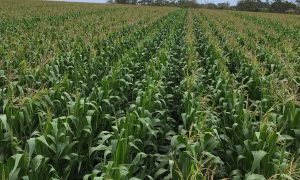
Climate change and climate variability is reshaping maize farming in the Zambezi Region, Namibia. New research warns farmers must adapt to survive changing weather patterns. Maize is the main staple food for many households in the Zambezi Region, Namibia. However, a new scientific study shows that climate change is making maize production more difficult, unpredictable, and risky for farmers who depend on rainfall. The study analysed rainfall, temperature, and maize production trends over a very long period, from 1945 to 2024, using weather records and crop simulation models. The findings send a clear message: the climate is changing, and traditional farming practices are no longer enough.
Rainfall has become unreliable
For maize to grow well under rain-fed conditions, the region needs at least 650 millimetres of rainfall per season. The study found that over the past 79 farming seasons, only about 37% of seasons received enough rain to support good maize yields. This means that in most years, rainfall was not reliable. In many seasons, rain started late, stopped early, or fell in heavy storms that caused flooding and runoff instead of soaking into the soil. As a result, maize crops often suffer from water stress, especially during flowering and grain filling, when water is most needed.
Rising temperatures are increasing crop water demand
The study also found that temperatures in the Zambezi Region have been increasing, especially since around 2010. Hotter conditions cause maize plants to lose more water through evaporation. This increases the amount of water crops need, even when rainfall does not improve. Higher temperatures also dry out soils faster and shorten the time maize plants can grow properly. This combination of less reliable rain and higher heat puts maize crops under serious pressure and increases the risk of poor harvests or total crop failure.
Not all rainfall helps the crop
An important finding of the study is that total rainfall is not the same as useful rainfall. Heavy rainfall events often lead to water running off the fields instead of being stored in the soil. The study shows that “effective rainfall” — the portion of rain that maize can actually use — is much lower than what is measured by rain gauges.This explains why farmers may experience poor harvests even in seasons that appear to have received “enough” rain.
Planting date makes a big difference
Using computer models, researchers tested different planting dates under changing climate conditions. The results showed that maize yields are very sensitive to when farmers plant.Farmers who plant maize on fixed dates, such as always planting on 1 December, often experience higher yield losses. In contrast, farmers who adjust planting dates based on rainfall patterns and soil moisture can significantly reduce losses and improve yields. This shows that flexible planting, guided by weather information, is one of the most effective ways to cope with climate variability.
What farmers and communities can do
The study highlights several practical actions that can help farmers adapt:
• Use early-maturing and drought-tolerant maize varieties
• Adjust planting dates based on seasonal rainfall forecasts
• Practice conservation agriculture to improve soil moisture retention
• Harvest and store rainwater where possible
• Use supplementary irrigation during dry spells, especially at critical growth stages
• Diversify crops to reduce dependence on maize alone
A call for support and planning
The findings also show that farmers cannot adapt alone. There is a strong need for:
• Better access to weather and climate information
• Stronger agricultural extension services
• Investment in irrigation and water-saving technologies
• Policies that support climate-smart agriculture
Conclusion
Climate change is no longer a future problem — it is already affecting maize farming in the Zambezi Region of Namibia. Rainfall is becoming more unpredictable, temperatures are rising, and traditional farming calendars are failing. To protect food security and rural livelihoods, farmers, extension officers, researchers, and policymakers must work together to adapt maize production systems to a changing climate. Those who adjust early will be better prepared for the seasons ahead. Access the original article at: https://doi.org/10.4314/acsj.v34i1.12
Disclaimer: The views expressed in this article is solely that of Dr. Fidelis Mwazi is the Chief Executive Officer at the Namibian Agronomic Board, and does not necessarily reflect the views of Mzansi Agriculture Talk, her employers, or other associated parties.










Pingback: prevacid otc cost
Pingback: metoprolol succinate
Pingback: sertraline 25mg pill
Pingback: vidalista 20 use
Pingback: sémaglutide injection prix mahwah
Pingback: voorwaarden vergoeding semaglutide
Pingback: metronidazole side effects discharge
Pingback: how long will 60 mg of sildenafil last
Pingback: acyclovir ointment walgreens
Pingback: saxenda cost nz
Pingback: terbinafine monitoring requirements
Pingback: ketoconazole clinical indications
Pingback: minoxidil faq
Pingback: minoxidil foam vs liquid tolerability data
Pingback: minoxidil women’s full overview
Pingback: vardenafil pharmacokinetics
Pingback: orlistat food‑dependent action
Pingback: Sildenafil vs vardenafil scientific overview