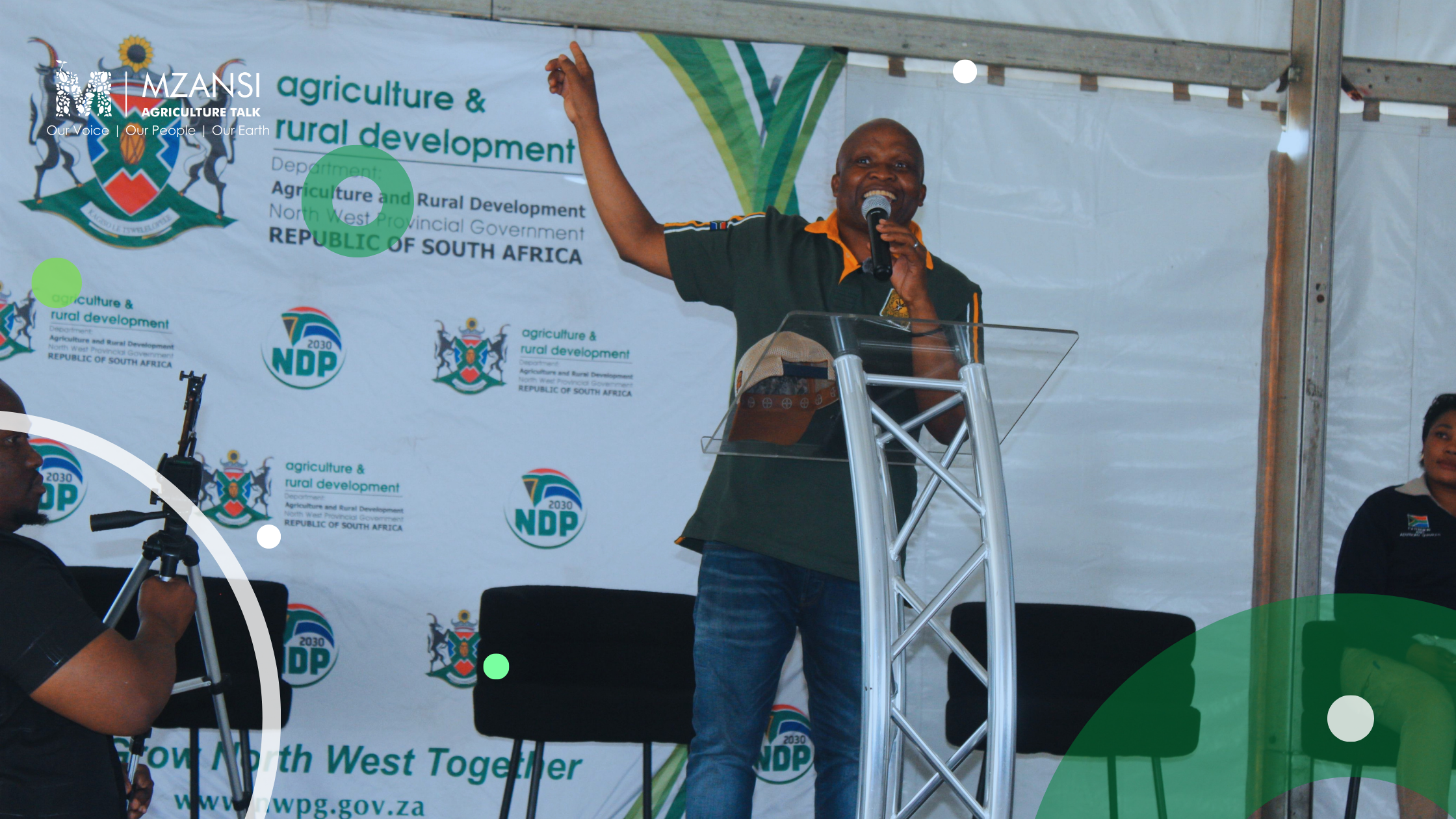
By Katleho Majela and Nwabisa Sali
Women farmers in the North West have called for stronger access to markets, finance, skills and business networks as the province concluded its Women’s Month programme with the Provincial Women Farmers Dialogue in Klerksdorp.
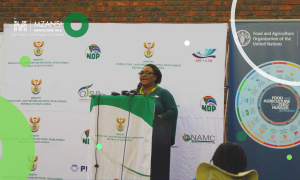
Hosted by the North West Department of Agriculture and Rural Development under the theme, “Empower Women, Empower Nation,” the dialogue brought together women farmers, government representatives and private-sector partners to discuss the barriers limiting women’s growth into commercial agriculture.
North West Department of Agriculture and Rural Development Head of Department Lebo Diale urged women to build each other up through collaboration rather than competition.
“We are women, we are great together. We can do this and raise the nation,” said Diale.
She encouraged women farmers to work collectively, grow their businesses together and pursue supply contracts with large buyers, including government. Diale also questioned why policies aimed at advancing gender equality do not always lead to visible change on the ground, calling on women to speak openly about the realities facing their enterprises.
The first panel, chaired by Chief Director of Agricultural Development Services Ms Dikolomela, focused on market access and the role of networks. Panellists included Mme Makgobe from the Office of the Premier, Ma Zimbini Mdlulwa from the provincial Department of Agriculture and Rural Development, and Ms Didimalang Keodisa from the Department of Land Reform and Rural Development.
Mdlulwa said government must deliberately create spaces where women farmers can build productive networks. She said strong networks enable producers to develop products for real demand and create viable market opportunities.
She also highlighted the department’s target of increasing women’s participation in commodity production to 60%.
Makgobe said the Office of the Premier plays a coordinating, monitoring and evaluation role to ensure women are included in agricultural programmes. She urged women farmers to raise concerns where support is failing to reach them.
According to Makgobe, women need greater exposure to business networks where critical skills, such as negotiation and bargaining, are developed. She said investment in women farmers can create wider benefits for communities and open opportunities in institutional markets, including hospitals and correctional services.
The second discussion explored the impact of women in agriculture. Representatives from Matlosana Local Municipality, AgriSETA, Absa and the Small Enterprise Development Agency (SEDA) outlined available support for farmers and small agricultural enterprises.
AgriSETA emphasised the importance of meeting policy and compliance requirements to access sector training, while also encouraging women to develop skills in emerging areas such as drone technology.
Matlosana Local Municipality representative Nkabe Shepard said women farmers need to actively market their products and build the resilience needed to compete in established commercial markets.
Absa representative Boitumelo said the bank’s partnership model aims to support women farmers through financial solutions tailored to their individual business needs. SEDA representatives Lehohang Mokhanathi and Sibulelo highlighted the agency’s financial and non-financial support, including mentoring and coaching through the She Trade business hub.
MEC outlines way forward
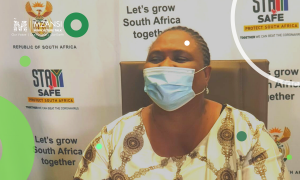
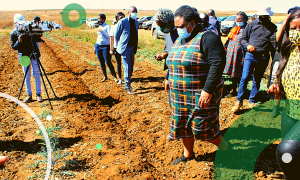
Closing the dialogue, North West MEC for Agriculture and Rural Development Madoda Sambatha addressed land development, documentation, succession planning and financial partnerships.
He referred to a government-supported programme that sent a group of black women farmers from across Africa, including Dr Maricana, to Cuba for training. The initiative, he said, demonstrates government’s willingness to invest in women farmers.
Sambatha said food security should remain at the centre of agricultural development. While farmers should be able to identify with and label their own produce and practices, he said food security should not be viewed through a racial lens.
“Food security itself has no basis of colour,” he said.
The MEC also addressed concerns raised by farmers about undocumented foreign nationals working in the sector. He said people without the correct documentation should be assisted to return to their countries of origin and return only after securing the required documents.
On farm sustainability, Sambatha warned against building an enterprise without involving family members in its vision and future. He said many farms struggle to continue when no succession plan has been put in place.
Farmers, he said, must see succession planning as a core part of building a sustainable enterprise.
Sambatha confirmed a partnership between government, Absa and the Land Bank to assist farmers with documentation and business-plan requirements, improving their readiness to access funding and comply with regulations. He also referred to the Nguni cattle programme as part of government’s broader farmer-support offering.
“The government does not create farmers,” Sambatha said. “They help people who have helped themselves.”The dialogue ended with a common message: women farmers need more equitable access to networks, funding and markets. Achieving this will require women to organise, speak up about their needs and work together, while government and private-sector partners deliver on their commitments.